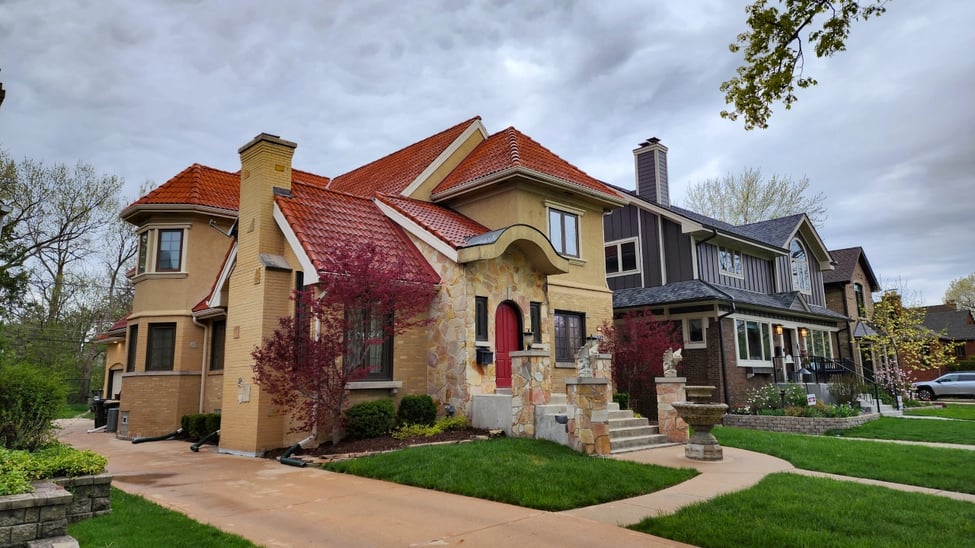
Fall Is Here, and So Are the Opportunities

Summer is behind us, the kids are back in school, and the Lower Mainland real estate market has shifted into its fall rhythm. September is often one of the most telling months of the year: buyers and sellers who sat out the summer return with fresh focus, and the numbers start to show where the market is heading into year-end.

Whether you're hunting for your first home, thinking about moving up, or wondering what your property is worth today, here's what September looked like across Greater Vancouver and the Fraser Valley, and where the openings are right now.

Greater Vancouver: More Choice on the Shelves

Home sales in Metro Vancouver totaled 1,717 in September 2026, down 8.4% from September 2025. The dip was concentrated in apartments. Detached sales actually rose 4.2% to 575, and townhouse and other attached sales edged up to 358, a sign that end-users, not investors, are driving today's market.

Buyers have plenty to choose from. 5,852 new listings came to market, and 16,394 homes are currently for sale, 24.3% above the 10-year seasonal average. The sales-to-active-listings ratio was 10.9% overall (9.7% detached, 12.2% attached, 11.4% apartments). A ratio below 12% tends to ease prices, which works in a shopper's favor.

Property type

Benchmark price

Change vs. Sept 2025

Change vs. Aug 2026

All residential (composite)

$1,075,900

-5.5%

-0.6%

Detached

$1,784,700

-7.3%

-0.8%

Townhouse

$1,016,700

-4.7%

-1.2%

Apartment

$682,500

-6.2%

-0.5%

What it means: Prices are about 5.5% lower than a year ago, and they're easing gradually month to month rather than dropping sharply. For buyers, that means real value and room to negotiate. For sellers, steady end-user demand for detached homes and townhouses is keeping those segments active.

Fraser Valley: Space, Value and Room to Negotiate

The Fraser Valley recorded 922 sales in September 2026, down 4% from last September and 2% from August. New listings jumped 19% from August to 2,818, and active listings reached 9,763, roughly one sale for every ten active listings, buyers are firmly in the driver's seat.

The composite benchmark price dipped 1% from August and is down 7% from a year ago. According to the Fraser Valley Real Estate Board, the benchmark single-family home is now about $460,000 below its March 2022 peak, a major shift in affordability that may let some households move up into a different segment of the market.

Property type

Benchmark price

Change vs. Sept 2025

Detached

$1.3 million

-8.8%

Townhouse

$745,300

-6.2%

Apartment

$461,800

-9.3%

What it means: The Fraser Valley continues to deliver more space for the money. From Surrey and Langley to Abbotsford and Mission, families who want a yard, an extra bedroom or a home office can find real value here, often with more flexibility on price and terms than a year ago.

Opportunities for Buyers

  • More selection, less pressure. Higher inventory means you can tour several homes, compare neighborhoods and avoid the bidding-war scramble of past years.
  • Room to negotiate. Subject clauses for financing and inspection are back on the table, and sellers are often open to discussing price, closing dates or inclusions.
  • Fall timing works in your favor. Sellers who list in autumn tend to be motivated, and fewer buyers shop through the holiday season.
  • First-time buyer programs. Federal and provincial incentives, such as the First Home Savings Account (FHSA) and the BC first-time home buyers' property transfer tax exemption, can stretch your budget further. Check current eligibility before you shop.
  • Get pre-approved now. A pre-approval locks in a rate hold and shows sellers you're serious, putting you in a strong position when the right home appears.

Opportunities for Sellers

  • Serious buyers are active. The people shopping in fall are usually motivated: relocating for work, settling in before the school year progresses, or ready to move before the new year.
  • Move up while the market is balanced. If you're selling to buy, softer conditions work on both sides. Any flexibility you offer on your sale can often be recovered on your next purchase.
  • Well-priced homes still sell. Properties that are priced right from day one and presented well continue to attract strong interest. Accurate pricing based on current local data is the single biggest factor.
  • Stand out with presentation. Fresh paint, decluttering, good lighting and professional photos make a big difference when buyers have plenty to compare.

Looking Ahead to Fall

As we head into October and November, keep an eye on interest rates. The Bank of Canada's next announcement is on October 28, 2026, and any rate movement can quickly bring more buyers off the sidelines. With healthy inventory and stable prices, the coming months offer a window where both buyers and sellers can make thoughtful, well-planned moves rather than rushed ones.

Let's Talk About Your Next Move

Every neighborhood tells its own story, and the averages above are only the starting point. Want to know what's happening on your street, or what your home could sell for today? Contact NexKey Real Estate Group / www.NexKeyBC.com and get a personalized market snapshot for your area. Brokerage: Royal LePage Elite West

Source: Greater Vancouver Realtors and Fraser Valley Real Estate Board, September 2026 market statistics.

...

What to Check Before You Make an Offer on a Langley Home

You have found a home in Langley that seems to fit what you have been looking for. The layout works, the location makes sense, the property appears to be in reasonable condition, and the asking price seems manageable. It can be tempting to act fast, especially if you think other buyers are interested.

But before you decide what to offer, ask yourself, "What have you not checked?"

A property can create a powerful initial impact, but it may also leave crucial questions unresolved. Does the asking price make sense compared with similar properties? Why has the home been listed for this long? Are there issues that were not obvious during the viewing? Please clarify what you would be agreeing to if you submitted an offer.

These questions do not mean something is wrong with the property. They simply point to areas that deserve more attention before you commit.

A Real Estate Agent can help you examine the property from several angles, including comparable homes, listing history, property information, offer conditions, and the surrounding area. The goal is not to tell you what decision to make. The goal is to assist you in identifying the questions that require immediate answers.

The Home Looks Good, But What Have You Not Checked?

It is easy to focus on the parts of a home that are immediately visible. A renovated kitchen, fresh flooring, attractive staging, or a spacious backyard can make a property feel like the right choice before you have looked closely at the details behind the presentation.

The asking price can have a similar effect. If it fits within your budget, you may naturally start thinking about financing and moving dates rather than asking whether the price makes sense compared with similar properties.

There may also be a sense of urgency if the listing appears popular. You may hear that other buyers are interested or that offers could be submitted soon. That information may be relevant, but it should not replace the questions you need answered.

Before making an offer, ask yourself what you know, what you have verified, and what you are still assuming.

That distinction can matter throughout the home buying process.

9 Warning Signs to Watch Before Making an Offer

1. The Asking Price Does Not Make Sense

A listing price gives you a starting point, not the complete picture. The condition, lot size, renovations, layout, location, or other characteristics of a property may lead to a different price compared to nearby homes.

Before deciding what you are willing to pay, look at comparable properties and, where available, recent completed sales. It can also help to compare the home with properties currently listed in the same area.

For example, a renovated property on a larger lot may not be a useful comparison for a smaller home that needs significant work, even if both have similar interior square footage.

This is one area where a Real Estate Agent can help you organize the available information and identify which comparisons are relevant to the property you are considering.

The question is not simply, "Can I afford the asking price?"

It is also, "What information supports this price?"

2. You Cannot Explain Why the Home Has Been Sitting on the Market

A property that has been listed for an extended period naturally raises questions. That doesn't mean the home has a problem, but it's worth finding out what caused the long listing.

Pricing is one possibility. Property condition, timing, location, buyer demand, marketing, or previous offers may also play a role.

Look at the listing history and ask whether the asking price has changed. If previous listings or transaction information are available, those details may provide additional context.

Instead of assuming the reasons a property has remained on the market, consider asking what can be established.

A Real Estate Agent may be able to help you identify information worth reviewing and questions worth asking before you decide whether to proceed.

3. You Feel Pressure to Make an Offer Immediately

"This could go tonight."

"There are other interested buyers."

"You need to decide quickly."

Statements like these can make a buyer feel that there is no time to investigate the property properly.

There may genuinely be interest from other buyers. However, knowing that other people are interested is different from having enough information to make your own decision.

Before submitting anything, ask yourself whether you have reviewed comparable properties, considered the property's condition, looked at the relevant documents, and thought about the conditions you may want included.

If you have not, slowing down long enough to identify those gaps may be useful.

A Real Estate Agent can explain the practical steps involved in preparing an offer and help you organize the information you want to review first.

The decision remains yours. The important part is knowing what you are deciding.

4. The Property Has Changed Hands Several Times

You find the home you like, then notice that it has appeared in previous listings or changed ownership several times.

That may make you curious.

Why has the property been sold repeatedly?

There could be many explanations, and it is inappropriate to assume a reason without evidence. People move, circumstances change, and properties can change hands for ordinary reasons.

Instead of guessing, investigate what can actually be established.

You may want to look at:

  • Previous listing information
  • Available sale history
  • Previous asking prices
  • Renovation history
  • Changes in ownership
  • Information about previous listings
  • Any known circumstances that should be clarified

A Real Estate Agent can help you identify questions about the property's history and communicate with the seller's representative when additional information is needed.

The history may not change your decision. But knowing more about it can give you context before you commit.

5. There Are Questions About the Home's Condition

Sometimes the warning sign is something you notice during a viewing.

Perhaps there is a water stain on the ceiling. Maybe you see a crack near a window, notice signs of moisture in the basement, or find that a window does not operate as expected.

None of these observations automatically tells you what caused them.

That is important because a property viewing is not the same thing as a professional inspection.

Depending on the property, buyers may want to investigate areas such as:

  • Roofing
  • Plumbing
  • Electrical systems
  • Heating and cooling
  • Windows
  • Drainage
  • Foundation
  • Signs of moisture
  • Structural concerns

If something catches your attention, ask about it instead of assuming it is insignificant.

A Real Estate Agent can help you raise questions with the seller or seller's representative and discuss the practical steps involved in arranging a home inspection or another assessment.

For technical findings, the appropriate qualified professional should provide the actual assessment.

6. The Offer Conditions Are Not Clear

You may know how much you are prepared to pay, but do you know what else you are agreeing to?

Conditions can address matters such as financing, inspection, the sale of another property, document review, or other circumstances relevant to the transaction.

The details matter.

A buyer may spend considerable time deciding on a price while giving less attention to dates, deadlines, conditions, inclusions, exclusions, and other parts of the agreement.

Before signing, read the document carefully and ask questions about anything that is unclear.

A Real Estate Agent can explain the practical aspects of the transaction and help you identify areas that may require further discussion. If your question concerns legal rights, contractual interpretation, or another matter outside an agent's role, speak with the appropriate lawyer or qualified professional.

Do not sign simply because you feel pressure to keep the process moving.

7. You Are Unsure What Similar Homes Are Selling For

You found a house you like, but you are not sure how its price compares with other properties.

That uncertainty deserves attention.

Look at homes with similar characteristics rather than simply searching for properties in the same postal area. Consider:

  • Property size
  • Lot size
  • Layout
  • Age
  • Condition
  • Renovations
  • Features
  • Location

There is also a distinction between a listing price and a completed sale price.

A listing shows what a seller is asking. A completed transaction provides different information. Neither figure tells the entire story, but comparing several properties can provide useful context.

This is another area where a Real Estate Agent may help you review comparable properties and determine which comparisons are actually relevant.

Instead of asking only, "Does this price seem affordable?" ask, "How does this property compare with other homes I could consider?"

8. You Have Not Reviewed the Neighbourhood Beyond the Property

You may like everything inside the house.

But what about everything outside it?

A short viewing cannot tell you everything about an area. You may want to consider your commute, nearby roads, parks, shopping, schools, transit, traffic, noise, services, and the general character of the surrounding area.

It can also be useful to visit the neighbourhood at different times when practical. A street can feel completely unique during a weekday morning, evening, or weekend.

For buyers looking at Langley homes, the surrounding area deserves the same attention as the property itself. Different parts of Langley can have different housing types, road patterns, amenities, commuting considerations, and development activity.

You can also check municipal information when investigating nearby projects or planning matters.

A Real Estate Agent can provide property and neighbourhood context, while your own visits and reliable public information can help you investigate the factors that matter to your household.

9. You Are Not Sure What You Are Actually Agreeing To

This situation is where excitement about a property can collide with paperwork.

You know the price.

You know the property.

But do you know the important dates? Have you checked the inclusions and exclusions? Do you know the deposit requirements? Have you reviewed the conditions? Have you considered the closing arrangements?

It is easy to focus heavily on the amount you are prepared to pay while overlooking the other parts of the agreement.

Before signing, go through the document carefully. Please compile a list of any items you do not understand and inquire about each one.

Some questions may be practical ones for your real estate representative. Others may require advice from a lawyer, lender, inspector, or another qualified professional.

A Real Estate Agent can help explain the transaction process and communicate with the other side, but buyers should know when another professional needs to address a particular question.

The goal is simple: know what you are agreeing to before you sign.

Why Talking to a Real Estate Agent Before an Offer Can Matter

You do not have to wait until you are ready to submit an offer before asking questions.

Speaking with a Real Estate Agent earlier can give you an opportunity to examine the property before the paperwork becomes urgent.

That conversation may involve comparable properties, available market information, listing history, property details, offer conditions, and the practical steps involved in preparing an offer.

An agent may also communicate with the seller's representative to obtain information relevant to the transaction.

Real estate agents offer different kinds of help, so buyers should ask what help is available and what issues should be handled by someone else.

An agent cannot guarantee a particular purchase price, negotiation result, or successful transaction. Those outcomes depend on the property, seller, buyer, terms, market circumstances, and other factors.

The conversation aims to assist you in identifying the necessary checks before making a commitment.

Questions to Ask Before You Submit an Offer

A short checklist can help when you are standing in a property you like and trying to decide what happens next.

Ask:

  • How does this home compare with similar properties?
  • How long has the property been listed?
  • Has the asking price changed?
  • Are there known issues with the property?
  • Are previous listings or transaction details available?
  • What inclusions and exclusions should I know about?
  • What conditions should I discuss?
  • What dates are involved?
  • What comparable homes have sold recently?
  • What should I investigate about the neighbourhood?
  • Are there inspection questions I should address?
  • What should I ask before signing the agreement?
  • Are any questions better directed to a lawyer, lender, inspector, or another professional?

You do not need to have every answer immediately.

You do need to know which questions remain unanswered.

Why Langley Buyers May Want to Slow Down Before Signing

Buying property in Langley can involve very different considerations depending on the specific home and area.

A detached house, townhouse, condominium, or other property type can come with different questions. Your commute may matter more than proximity to a particular service. Another buyer may place greater importance on outdoor space, schools, transit, or nearby amenities.

There is no single checklist that applies to every buyer.

That is why it makes sense to compare the specific property with similar homes rather than relying on broad assumptions about the Langley market.

Current market information should also come from dated, reliable sources. Market conditions can change, and information from a previous period should not automatically be treated as a description of today's market.

The asking price tells you what the seller is seeking.

It does not answer every question about the property.

How a Real Estate Agent Fits Into the Home Buying Process?

A Real Estate Agent can be involved at several stages of a purchase.

The work may include helping you search for properties, reviewing listings, arranging viewings, comparing homes, preparing an offer, discussing transaction terms, negotiating with the seller, communicating with the seller's representative, and coordinating with other professionals.

Some buyers may also want assistance before they reach the point of preparing an offer.

The home buying process involves several steps, and the role of an agent can vary according to the buyer and transaction.

Buyers should not assume that every service is relevant to their specific situation. Ask what the service includes, what your responsibilities are, and when another professional should become involved.

The same principle applies to the home selling process. Sellers may need to consider pricing, marketing, property information, negotiations, transaction terms, and closing requirements.

Buyers must determine which information requires confirmation before proceeding.

FAQs

When should I talk to a Real Estate Agent before making an offer?

You can speak with an agent before you begin viewing homes or once you find a property you are considering. Earlier conversations can give you time to discuss comparable properties, transaction steps, conditions, and questions about a particular listing.

What should I ask a Real Estate Agent before buying a home?

Ask about comparable properties, listing history, property information, known concerns, offer conditions, important dates, inclusions, exclusions, and the steps involved in preparing the agreement.

Can a Real Estate Agent tell me if a home's asking price is reasonable?

A Real Estate Agent can help you compare the property with similar listings and available transaction information. Asking prices and completed sale prices are different types of information, so several factors should be reviewed before drawing conclusions about a property's price.

What should I check before making an offer on a house?

Review the property's condition, comparable properties, listing history, neighbourhood, inclusions and exclusions, financing considerations, inspection needs, conditions, dates, and other terms that may appear in the agreement.

Do I need a Real Estate Agent to make an offer on a home?

Buyers are not universally required to use an agent. Some buyers choose to work with an agent for property comparisons, communication, transaction steps, and preparation of an offer. Others may choose a different approach.

What should I know about the home buying process in Langley?

Start by reviewing the property itself, comparable homes, listing information, surrounding area, financing considerations, inspection needs, and transaction terms. For current market information, check dated information from reliable sources rather than assuming conditions are the same across every part of Langley.

Moving Forward

A home can look right on the surface while leaving important questions unanswered.

The kitchen may be renovated. The location may fit your routine. The asking price may fall within your budget.

But before signing anything, look again.

Compare the property with similar homes. Review its history. Ask about its condition. Investigate the surrounding area. Make sure you understand the conditions, dates, inclusions, exclusions, deposit requirements, and other terms involved.

None of these questions automatically means you should walk away from a property. They simply provide you more information to consider before making a decision.

If you are considering a property in Langley and have questions about the next steps, call NexKey Real Estate Group at +1 604-785-6630 before making your offer.

...

Look beyond the listing and consider the life around it.

What looks like the right home on a listing can feel entirely unique once you drive the route at 7:30 a.m., pick up groceries after work, or try to get across town on a busy afternoon.

That is one of the easiest things to overlook when searching Langley real estate.

Two homes can have similar layouts, similar square footage, and similar asking prices, yet their locations can create very different day-to-day routines. One may put you close to major routes, schools, shops, parks, and transit. Another may give you more space but add considerable travel time to your week.

There is another issue buyers sometimes miss: location is not only about what surrounds a property today. Langley City and the Township of Langley are both planning for changes in housing, transportation, and land use. Those plans can affect how an area looks and functions over time.

So, before focusing only on the house, ask a more important question: What will living at this address actually be like?

1. Your Daily Commute Starts With the Address

A home can look attractive on paper, but the route between that home and your regular destinations can shape your routine every day.

For many Langley buyers, location decisions involve:

  • Fraser Highway
  • Highway 1
  • 200 Street
  • 208 Street
  • 64 Avenue
  • 72 Avenue
  • 88 Avenue
  • Carvolth Transit Exchange
  • Local bus routes
  • Connections toward Surrey, Langley City, Abbotsford, and other parts of Metro Vancouver

The right location depends on where you actually need to go.

Someone commuting toward Surrey may have different priorities from someone working near Gloucester Industrial Park, Downtown Langley, or Abbotsford. A household with children may also care about school routes and after-school activities, while someone working from home may place more emphasis on nearby shopping, recreation, and walkability.

Transit is also becoming an increasingly relevant part of the local equation. The Surrey Langley SkyTrain project is planned to extend the Expo Line along Fraser Highway to 203 Street in Langley City Centre, with an anticipated in-service date of 2029.

The Township is also planning around future rapid transit along the 200 Street corridor, including the Langley-Haney Place Bus Rapid Transit project.

That does not mean every property near a proposed or future transit route will have the same market outcome. It means buyers should know what transportation changes are planned near a property before making a decision.

Try the commute before making an offer.

Visit the property at the times you normally travel.

Check:

  • Morning traffic
  • Afternoon traffic
  • Transit availability
  • Parking
  • Highway access
  • Walking routes
  • School drop-off routes
  • Travel time to work
  • Travel time to frequently used services

A 10-minute difference each way can add up to hours over a month.

2. Neighbourhood Character Can Change What a Home Feels Like

Ever found a property that looks perfect online, only to arrive and realize the surrounding area is not what you expected?

This is why neighbourhood context matters in Langley real estate.

Langley is not one uniform residential market. The City of Langley and Township of Langley contain different communities, land-use patterns, housing forms, commercial areas, transportation networks, and development plans.

Consider a few examples.

Willoughby has undergone substantial planning activity, particularly around future transportation and land-use changes. The Township has updated its Willoughby planning framework in connection with the 200 Street transit corridor and future transit-oriented development.

Walnut Grove has its own community planning framework and sits near Highway 1, making transportation access an important consideration for many households.

Fort Langley has a distinct village setting and heritage context, so buyers may approach the area with different priorities from someone looking for a newer townhouse community.

Murrayville, Brookswood, and Aldergrove also have different housing and land-use characteristics.

The lesson is simple: Do not judge a Langley neighbourhood by a listing description alone.

Look at the surrounding streets, nearby properties, zoning, commercial areas, parks, transit, and municipal plans.

3. Future Development Can Change the Area Around Your Home

Here is where the numbers can become misleading.

A property might sit on a quiet street today. But what happens if nearby land is planned for additional housing, commercial space, transportation infrastructure, or another form of development?

That does not automatically make the change positive or negative. It depends on the property, the proposed project, the surrounding infrastructure, and what the buyer actually wants.

The Township of Langley uses an Official Community Plan and community and neighbourhood plans to establish policies around land use, transportation, housing, parks, and other areas of growth.

The City of Langley also has an Official Community Plan and zoning framework governing land use and development. Its new Zoning Bylaw was adopted in March 2026.

What should buyers investigate?

Before purchasing, look at:

  • Current zoning
  • Nearby development applications
  • Community plans
  • Proposed transportation projects
  • Future land-use designations
  • New housing projects
  • Commercial development
  • Road improvements
  • Transit plans
  • Park and public-space plans

This matters particularly when purchasing a property because you are not just buying the building.

You are buying a location within a changing municipality.

4. Property Type and Location Need to Work Together

A detached house, townhouse, condo, and acreage can all make sense in Langley, but the surrounding location can affect how each property works for the household.

For example, a condo near a transit corridor may suit someone who values access to transportation and nearby services.

A townhouse in Willoughby may appeal to a household looking for newer housing with access to community amenities and major roads.

A detached property in Brookswood or another lower-density area may provide a different setting, but transportation and proximity to daily services can become more important depending on the household.

An acreage in a more rural part of the Township creates another set of questions involving road access, utilities, lot characteristics, and distance from services.

The floor plan is just one aspect of the overall picture.

When comparing homes, ask: Does this property type make sense at this location?

For example:

  • Is there enough parking for your household?
  • Are schools within a practical distance?
  • Is transit relevant to your routine?
  • How long does it take to reach major roads?
  • Are shops and services nearby?
  • Does the lot provide the privacy you want?
  • Could nearby development change the surroundings?
  • Are there zoning considerations that matter to the property?

The answer can vary significantly from one part of Langley to another.

5. Location Can Affect How Much You Actually Spend

The purchase price is only one part of the equation.

A home farther from your regular destinations may have a different monthly cost structure than a property closer to work, transit, shopping, or schools.

Consider the costs associated with:

  • Fuel
  • Vehicle maintenance
  • Parking
  • Transit
  • Child transportation
  • Travel time
  • Home maintenance
  • Property taxes
  • Strata fees
  • Insurance

None of these should be viewed in isolation.

For example, paying less for a home but spending substantially more on transportation may change how the property fits your household budget.

The reverse can also happen. A property with a higher purchase price may reduce some transportation needs, but that does not automatically make it financially preferable.

The point is to calculate the full picture.

A simple location budget

Before making a decision, estimate your monthly transportation costs under each property you are considering.

Then compare:

Housing costs + transportation costs + regular location-related expenses

This analysis can reveal differences that do not appear on the MLS® listing.

6. Location Matters Even More When You Think About Resale

Nobody can guarantee what a property will sell for in the future.

However, buyers can still examine the characteristics of a location that may influence who might want the property later.

Think about the next buyer.

Would the property appeal to:

  • Families?
  • Commuters?
  • Downsizers?
  • First-time buyers?
  • Investors?
  • People seeking transit access?
  • Buyers looking for a larger lot?
  • People who want proximity to shopping or recreation?

This is not about predicting future prices.

It is about considering the range of households that could potentially find the property practical.

We must also consider the location in relation to future municipal planning. Langley City is planning around transit-oriented development and changes connected with the Surrey Langley SkyTrain, while the Township is working on transportation and community planning around areas such as Willoughby and the 200 Street corridor.

That makes local planning information worth reviewing alongside the property itself.

Common Langley Real Estate Location Mistakes

"The house is great, so the location must be fine."

Not necessarily.

A house can meet your needs while its surrounding location creates daily inconveniences. Check the neighbourhood at different times of the day before deciding.

"Close to a major road is always better."

Not always.

Major roads can provide convenient connections, but buyers should also consider traffic, noise, pedestrian access, and how the road affects the property's immediate surroundings.

"A future transit project guarantees higher property values."

There is no reliable way to make that guarantee.

Transit can change connectivity and land-use planning, but property values depend on many factors, including market conditions, property type, supply, demand, financing conditions, and the specific location.

"Every part of Langley works the same way."

It does not.

Langley City and the Township of Langley have separate municipal governments and planning frameworks. Neighbourhoods also differ in housing, roads, services, and future development plans.

How to Research a Langley Property Location

Before committing to a property, work through this sequence.

1. Map your regular destinations.

List your workplace, schools, family members, grocery stores, recreation facilities, and other places you visit frequently.

2. Test the commute.

Verify travel times during the hours you normally travel rather than relying solely on an off-peak map estimate.

3. Visit the neighbourhood twice.

Visit during the day and again during the evening. Listen for traffic, assess parking, observe pedestrian activity, and look at nearby properties.

4. Review municipal planning information.

Review applicable community plans, neighbourhood plans, zoning information, and development activities.

The Township publishes community and neighbourhood plans covering areas such as Willoughby, Walnut Grove, Brookswood-Fernridge, Aldergrove, Murrayville, Fort Langley, and Northwest Langley.

5. Look beyond the property boundary.

Check the surrounding blocks rather than focusing only on the house itself.

6. Compare several locations.

Instead of comparing only three houses, compare three locations.

That can reveal which trade-offs matter most to your household.

Frequently Asked Questions

Does location affect Langley real estate prices?

Yes, location is one factor that can influence property values, but it is not the only one. Property type, size, condition, lot characteristics, zoning, supply, market conditions, financing conditions, and nearby amenities can also matter. The impact of location can vary between neighbourhoods and property types.

Is Willoughby a good area for Langley real estate?

Willoughby has undergone significant community and transportation planning, including changes connected with the 200 Street corridor and future transit-oriented development. Buyers should look at the specific property, nearby infrastructure, current zoning, and applicable community plans rather than treating the whole area as one uniform market.

How important is transit when buying a home in Langley?

Transit can be important if you commute without a car or expect your transportation needs to change. Langley is also seeing major transit planning, including the Surrey Langley SkyTrain project and Bus Rapid Transit planning along the 200 Street corridor. Buyers should check the actual distance to current and planned transit infrastructure.

Should I check future development before buying a Langley home?

Yes. Reviewing future development can help you identify planned changes to nearby housing, roads, commercial areas, parks, and transportation. Municipal community plans and development information can provide context that may not appear in a property listing. The Township publishes community and neighbourhood planning information online.

Is Langley City the same as the Township of Langley?

No. Langley City and the Township of Langley are separate municipalities. They have different municipal governments, planning documents, neighbourhoods, and land-use policies. A buyer should confirm which municipality a property is located in before researching zoning, taxes, planning information, and municipal services.

Does being close to Highway 1 matter when buying in Langley?

It can, particularly for people who regularly commute along the highway. But proximity should be considered alongside traffic patterns, road access, noise, and the time required to reach the highway from the property. The most useful comparison is the actual route and travel time from the specific home.

What should I check when comparing Langley neighbourhoods?

Start with your daily routine. Compare commute times, transit, schools, shopping, recreation, roads, housing types, zoning, development plans, and nearby amenities. Then visit each area at different times of day. A neighbourhood that looks similar on a map can function quite differently once you spend time there.

Looking at Langley Real Estate?

The address on a listing is only the starting point.

If you are buying, selling, relocating, or researching property in Langley, NexKey Real Estate Group can help you examine the property alongside the surrounding neighbourhood, transportation connections, housing types, and relevant local planning information.

Visit NexKey Real Estate Group at nexkeybc.com or call at 604-468-0010 to discuss your Langley real estate plans.

...

Beyond the Master Plan: Willoughby Heights, Langley 

If you ask the average homebuyer what draws them to Willoughby Heights, you’ll likely hear the same handful of answers: modern townhomes, new construction, and quick access to Highway 1.

While those are great selling points, they only scratch the surface of why this community has quickly become one of the most sought-after hubs in the Fraser Valley.   

Beyond the shiny new floor plans and convenience, Willoughby Heights is packed with urban design secrets, commuter hacks, and lifestyle perks that most buyers don't discover until after they move in.

If you’re considering making a move to the neighborhood, here are 10 facts about Willoughby Heights that give it a serious edge—and why it might be the smartest investment you can make in Langley real estate.   

1. The "Carvolth Commuter Hack"

Traffic on Highway 1 is a common talking point for Fraser Valley commuters. But savvy Willoughby residents know about the Carvolth Exchange ExpressBus (Route 555).

Operating directly out of the Carvolth Exchange, this bus glides over the Port Mann Bridge using dedicated HOV and transit lanes straight to the Lougheed Town Centre SkyTrain Station. Instead of battling morning gridlock behind the wheel, residents can catch up on emails or read a book during a stress-free ride into Metro Vancouver.

2. A Truly Walkable "Micro-Village" Master Plan

Unlike older suburban neighborhoods that expanded without a central plan, Willoughby was built around Neighbourhood Park Plans (NPPs)—such as Yorkson, Latimer, and Central Gordon.

This means the Township mapped out commercial hubs (like Willoughby Town Centre), pocket parks, and connected pathways before houses were even built. No matter where you live in Willoughby, grocery stores, cafes, and parks are designed to be a natural walk from your front door.

3. "Hidden" Nature Trails Tucked Behind Modern Homes

Because Willoughby transitioned rapidly from farm acreage to residential communities, local development guidelines mandated integrated stormwater management ponds that double as naturalized urban oases.   

Neighborhoods like Yorkson Creek feature hidden wildlife corridors and scenic greenways tucked directly behind dense townhouse and condo complexes. It offers the quiet feel of a nature trail without having to drive out of the neighborhood.

4. Langley’s Premier Public IB High School

Families moving to Langley usually know the local schools are reputable, but many miss a major academic selling point: R.E. Mountain Secondary is the only public high school in the Langley School District offering the full International Baccalaureate (IB) Diploma Program.   

For families seeking top-tier academic preparation for university, this delivers elite, private-school-level education directly within the public school catchment.

5. Built-In Infrastructure for Electric Vehicles

Because a large portion of Willoughby’s housing stock was built within the last 15 years, the local residential electrical grid was planned with future technology in mind.   

Unlike older Fraser Valley neighborhoods where upgrading to an Electric Vehicle (EV) charger requires thousands of dollars in electrical panel retrofits, a high percentage of Willoughby townhomes and detached homes come pre-wired with 200-amp service or rough-in EV infrastructure ready to go.

6. The "Backdoor" Fraser Highway Shortcut

Ask any local driver about 208th Street during peak hours, and they'll tell you it can get busy. But local residents quickly learn the neighborhood's grid secrets.

Using the 200th Street or 202nd/203rd corridors, you can slip south into Willowbrook and connect straight to Fraser Highway, bypassing core arterial traffic entirely when heading out for weekend errands or shopping trips.   

7. Big-League Sports Access Without the Traffic Chaos

Living near the Langley Events Centre (LEC) gives Willoughby residents front-row access to professional lacrosse, basketball, gymnastics, ice rinks, and community events.

The urban design win here is isolation: because the LEC is situated on the 200th Street and 80th Avenue arterial border, game-day traffic stays strictly on the main thoroughfares—keeping residential side streets quiet and clear.   

8. Dedicated Dog-Owner Infrastructure

Dog lovers rejoice: Willoughby is home to one of the most thoroughly planned off-leash parks in the region—the Yorkson Community Dog Park.

It goes far beyond a simple fenced field. The park includes designated, separate areas for large and small dogs, agility training equipment, paved wash-down stations, and fresh drinking fountains integrated right into the site.

9. Legal Mortgage Helpers Built Right Into the Architecture

For buyers looking to offset their mortgage, Willoughby offers one of the highest concentrations of purpose-built legal basement suites and coach houses (above detached garages) in Langley.

Because many of these secondary units were included in the developer's original architectural plans, homeowners avoid the low ceilings, poor soundproofing, and legal headaches often associated with retrofitted suites in older homes.

10. Historic Character Hidden in Plain Sight

While Willoughby feels entirely modern, it carries deep local history dating back over a century. The neighborhood was named after Willoughby H. Singer, who opened the area's first post office in 1921.   

The original Willoughby Community Hall (built in 1922) still stands today as a preserved heritage anchor, bringing a unique touch of Fraser Valley history to the heart of a modern suburban center.

Ready to Find Your Place in Willoughby Heights?

Whether you're looking for an energy-efficient townhouse near a park, a family home in an elite school catchment, or an investment property with legal suite potential, Willoughby Heights offers a lifestyle balance that's hard to match in Metro Vancouver.   

Have questions about your home or upcoming developments in Willoughby Heights? Let’s connect today to explore what this incredible neighborhood has to offer your lifestyle and budget!

...

Bank of Canada Holds Interest Rate Steady at 2.25% (September 2, 2026 Announcement)

The Bank of Canada (BoC) announced its benchmark interest rate decision today, September 2, 2026. In line with broad market expectations, the central bank opted to hold its key policy rate steady at 2.25%.  

This marks the seventh consecutive decision where the rate has remained unchanged, as monetary policymakers navigate competing pressures between economic growth and emerging inflation risks.  

Key Takeaways from Today’s Decision

  • The Rate: The policy interest rate stays at 2.25%.  

  • The Trend: The central bank has remained on the sidelines for all of 2026, opting for stability following rate adjustments in previous years.  

  • Economic Drivers:

    • Q2 Growth Rebound: Stronger-than-expected GDP growth in the second quarter reduced the immediate need for additional rate cuts.  

    • Inflation Pressures: Annual inflation rose to 3% in July, driven primarily by volatile energy prices linked to ongoing Middle East conflicts.  

    • Trade Uncertainty: The BoC highlighted growing risks surrounding recent U.S. tariff announcements and Canadian counter-measures following trade talks between the two nations.  

What This Means for Canadians & Borrowers

1. Variable-Rate Mortgages & HELOCs

Since the central bank held its benchmark rate, financial institutions' Prime rates will remain static. Borrowers with variable-rate mortgages or Home Equity Lines of Credit (HELOCs) will see no immediate change in their monthly interest payments.  

2. Fixed-Rate Mortgages

Fixed mortgage rates are tied primarily to Government of Canada bond yields rather than the policy rate directly. Bond yields have faced modest upward pressure due to energy market volatility and trade news, meaning fixed rates are expected to stay relatively range-bound in the near term.  

3. Savings & Guaranteed Investment Certificates (GICs)

High-interest savings accounts and GIC rates will remain stable for now, offering consistent returns for conservative investors keeping cash liquid.

Looking Ahead: What’s Next for the Bank of Canada?

Economists and major institutional analysts expect the central bank to maintain a cautious, data-dependent stance. With upside inflation risks on one side and potential trade drag on the other, the Bank of Canada is likely to stay on the sidelines through the remainder of the year unless economic growth or inflation deviates sharply from predictions.  

The next scheduled Bank of Canada rate decision is set for October 28, 2026.

...

Trade Volatility & Lower Mainland Real Estate: What Greater Vancouver & Fraser Valley Buyers and Sellers Need to Know

When headlines start buzzing about Canada–US trade tensions and cross-border tariffs, it’s easy for buyers and sellers across the Lower Mainland to feel uncertain. From interest rate speculation to rising construction costs, national trade policy always trickles down into local real estate markets.

Whether you're looking to buy your first condo in Vancouver, sell a family home in Burnaby, or upgrade to a townhome in Langley or Abbotsford, trade volatility impacts the Greater Vancouver and Fraser Valley real estate boards in distinct ways. Here is a straightforward breakdown of what to expect in the short and long term.  

The Short-Term Impact: Regional Hesitation & Construction Cost Pressure

In the short term, economic uncertainty creates widespread buyer hesitation. When headline news is unpredictable, casual buyers step back to adopt a wait-and-see approach.  

  • Growing Inventory & Stronger Negotiation Power: As less-serious buyers pause, active inventory builds across both board territories. For active buyers, this creates a rare window of opportunity—less competition, fewer multiple-offer scenarios, and more leverage to negotiate price and subjects on favorable terms.  

  • Rising Costs for New Construction: Cross-border tariffs on core construction materials like steel, aluminum, and equipment drive up development expenses immediately. Multi-family developers in high-density hubs—from Metrotown and Coquitlam to Central Surrey and Willoughby—may squeeze project margins, forcing them to pause pre-sale launches or delay breaking ground.

  • Interest Rate Fluctuations: Trade-driven economic drag often prompts the Bank of Canada to lower prime interest rates to support economic activity. While lower variable borrowing rates encourage participation, general economic noise tends to keep short-term price appreciation modest across Metro Vancouver and the Fraser Valley.  

The Long-Term Impact: A Diverging Market & Future Supply Squeezes

Real estate is a long-term asset, and current economic conditions are shaping what the region will look like over the next 3 to 5 years.

  • The Impending Regional Supply Deficit: Slowing down current project starts sets up a severe supply shortage down the line. Once trade conditions normalize and buyers re-enter the market, available inventory won't keep pace with demand—setting the stage for future price rebounds across both real estate board regions.

  • The Eastward Migration to Fraser Valley Density: Tightened household budgets shift demand toward functional, accessible housing. While higher price-point detached homes in Greater Vancouver (Vancouver West, North Vancouver, Burnaby) may see slower absorption, high-density suburban options across the Fraser Valley (Surrey, Langley, Maple Ridge) become primary targets for downsizers and young families.

  • Industrial & Supply Chain Realignment: Companies adapting to shifting trade routes will seek to rely more on local infrastructure. Expect increased demand for industrial, warehousing, and logistics real estate near key corridors like Delta, Campbell Heights in Surrey, and regions surrounding the Port of Vancouver and Roberts Bank.

How to Navigate Your Next Move

Economic shifts don't mean putting your life on hold—they just require a tailored strategy depending on where you are moving within the Lower Mainland.

  • If You Are Buying: Hesitant market conditions across both Greater Vancouver and Fraser Valley boards provide some of the best entry points in years. Securing real estate before upcoming supply shortages hit puts you in a strong position for long-term equity growth.

  • If You Are Selling: Strategic pricing from day one is paramount. Buyers navigating volatile economic headlines are highly value-conscious. Properties that are well-presented and realistically aligned with neighborhood sales data continue to move steadily.

Hyper-Local Strategy Beats General Headlines

Macroeconomic trends affect the whole province, but real estate performance remains hyper-local. What is happening in a West Vancouver condo building differs vastly from a townhouse complex in East Abbotsford.

Curious about how current market conditions impact your home's value or your buying budget in your specific neighborhood?

Contact the NexKey Real Estate Group today for personalized advice based on your goals and the current market conditions.

...
1
2
3